
Charity to Help Poor
-
 Admin: rsct
- April 9, 2026
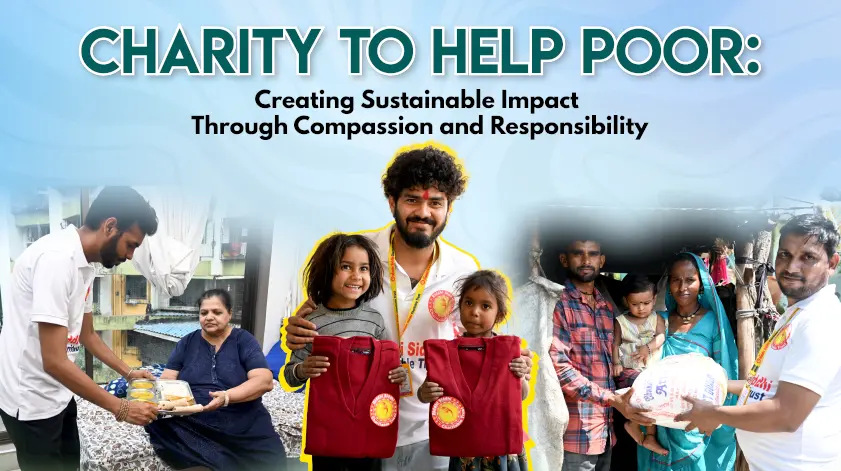
In a world where economic inequality continues to widen, the role of charity to help poor communities has become more crucial than ever. Millions of people across the globe still struggle to access necessities such as food, healthcare, education, and shelter. While governments and institutions play their part, non-profit organizations and individual contributors are often the driving force behind meaningful, grassroots change. Organizations like Riddhi Siddhi Charitable Trust are working tirelessly to bridge this gap by delivering consistent support to vulnerable populations.
Charitable initiatives are no longer limited to one-time donations. Today, they are evolving into structured programs that aim to create long-term impact. When individuals and organizations contribute to charity to help poor people, they are not just offering temporary relief but enabling pathways toward dignity, independence, and growth.
Understanding the Importance of Giving
At its core, charity is about empathy translated into action. However, effective charity and philanthropy in South Asia goes beyond emotional response—it requires planning, transparency, and sustainability. Supporting charity to help poor communities ensures that resources reach those who need them most while also addressing systemic issues like lack of education and unemployment.
Poverty is multidimensional. It is not only about financial hardship but also includes limited access to opportunities. This is where organizations like Riddhi Siddhi Charitable Trust focus their efforts—providing not just aid, but empowerment through education, healthcare, and skill development programs.
Moving From Relief to Rehabilitation
Traditional charity often focused on immediate relief, such as food distribution or clothing drives. While these efforts remain essential, modern approaches to charity to help poor communities emphasize rehabilitation and self-sufficiency.
For example:
- Educational support helps children break the cycle of poverty
- Healthcare initiatives improve the quality of life and productivity
- Skill training programs enable individuals to earn a livelihood
Riddhi Siddhi Charitable Trust, a charity to help poor, actively integrates these approaches, ensuring that beneficiaries are not dependent on aid but are equipped to build their own futures.
The Role of Structured Charity Organizations
One of the biggest challenges in charitable giving is ensuring accountability and impact. Structured NGOs provide a transparent framework where donations are utilized effectively. Choosing a trusted organization for charity to help poor communities ensures that contributions lead to measurable outcomes.
Riddhi Siddhi Charitable Trust stands out by:
- Conducting on-ground assessments before implementing programs
- Maintaining transparency in fund utilization
- Creating community-driven initiatives
- Ensuring continuous monitoring and reporting
This systematic approach builds trust and encourages long-term engagement from donors and partners.
Global Collaboration for Local Impact
In today’s interconnected world, social responsibility extends beyond borders. Many organizations and institutions are looking to collaborate with NGOs that have a strong grassroots presence and operational credibility.
Engaging in charity to help poor communities through partnerships allows for:
- Scalable impact across multiple regions
- Exchange of knowledge and resources
- Implementation of innovative solutions
- Strengthening global social responsibility efforts
Riddhi Siddhi Charitable Trust has positioned itself as a reliable partner for such collaborations by focusing on consistent impact and ethical practices.
Key Areas Where Support Makes a Difference
Charitable contributions can create meaningful change when directed toward the right causes. Some critical areas where charity to help poor communities plays a vital role include:
1. Education
Education is one of the most powerful tools to combat poverty. Providing school supplies, scholarships, and infrastructure support ensures that children receive quality education and better opportunities.
2. Healthcare
Access to basic healthcare remains a challenge for many underprivileged communities. Medical camps, elderly care, and nursing support programs help improve overall well-being.
3. Food Security
Regular food distribution initiatives ensure that no individual sleeps hungry. Nutrition-focused programs also address long-term health concerns.
4. Women's Empowerment
Empowering women through skill development and self-help groups leads to stronger families and communities.
5. Elderly Care
Supporting senior citizens with shelter, medical care, and companionship ensures they live with dignity and respect.
Riddhi Siddhi Charitable Trust actively works across all these sectors, creating a holistic approach to development.
Why Consistency Matters in Charity
One-time donations can provide temporary relief, but consistent support creates lasting transformation. Sustainable charity to help poor communities involves long-term commitment, regular engagement, and continuous monitoring of impact.
Consistency helps:
- Build trust within communities
- Ensure uninterrupted support
- Measure and improve program effectiveness
- Create bigger, long-lasting change
Organizations that prioritize consistency, like Riddhi Siddhi Charitable Trust, are able to deliver meaningful and measurable outcomes.
How Individuals and Organizations Can Contribute
Getting involved in charitable work is more accessible than ever. Whether you are an individual donor or part of a larger institution, there are multiple ways to support a charity to help poor communities:
- Financial contributions to trusted NGOs
- Volunteering time and skills
- Supporting awareness campaigns
- Partnering for long-term social initiatives
- Donating essential goods such as food, clothing, and medical supplies
Even small contributions, when combined, can create a significant impact.
The Future of Charitable Giving
The future of charity lies in collaboration, transparency, and innovation. Technology is making it easier to track impact, connect donors with causes, and scale initiatives effectively. At the same time, there is a growing emphasis on ethical and responsible giving.
By supporting structured initiatives and organizations like Riddhi Siddhi Charitable Trust, donors can ensure that their efforts are aligned with meaningful outcomes.
Conclusion
Charity is not just about giving—it is about creating opportunities, restoring dignity, and building a more equitable society. Supporting charity to help poor communities requires thoughtful action, consistent effort, and collaboration between individuals and organizations.
Riddhi Siddhi Charitable Trust exemplifies how structured, compassionate efforts can bring real change at the grassroots level. By contributing to such initiatives, we move one step closer to a world where everyone has the opportunity to live with dignity, security, and hope.
As per the Indian Income Tax Department’s rules, a donor is required to add their Full Name, Address and PAN
number
in case they wish to claim tax exemption.
To get the 80-G certificate, please enter your PAN number.
We treat your personal information confidentially and will not transfer such details to any third parties.