Child Sponsorship NGO: Empowering Futures
-
 Admin: rsct
- Jan. 19, 2026
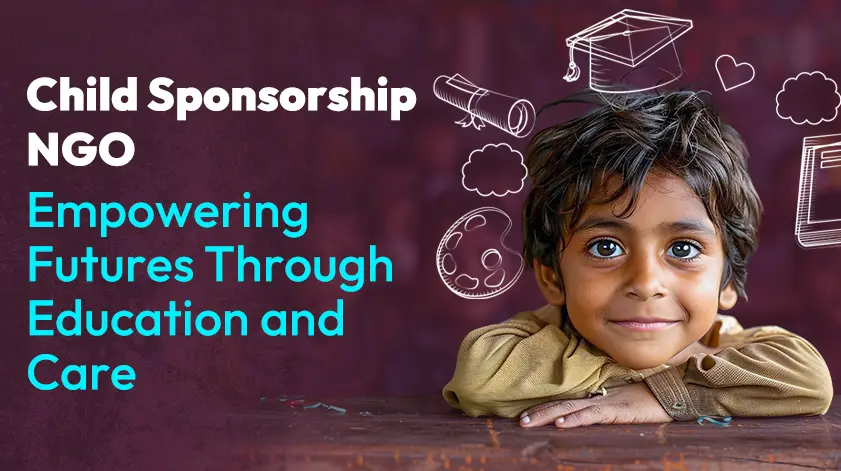
Child Sponsorship NGO: Empowering Futures Through Education and Care
In a country as diverse and populous as India, millions of children continue to face challenges related to poverty, lack of education, and inadequate access to necessities. Addressing these issues requires sustained effort, transparency, and a structured approach to child development. This is where a child sponsorship NGO plays a vital role—bridging the gap between compassionate donors and children who need long-term support to build secure, independent futures.
Understanding the Role of a Child Sponsorship NGO
A child sponsorship NGO is not limited to a one-time charity. Instead, it focuses on the holistic and continuous development of children from underprivileged backgrounds. Sponsorship models typically include access to education, healthcare, nutrition, emotional well-being, and life skills. The objective is to ensure that children are not merely surviving but are empowered to thrive as responsible and capable individuals.
Unlike sporadic donations, child sponsorship creates accountability and measurable impact. Donors can see how their contributions are used, while NGOs can plan long-term interventions such as school enrollment, learning resources, and mentorship programs.
Why Child Education Is the Cornerstone of Development
Education is universally acknowledged as the most effective tool to break the cycle of poverty. In India, around 50 percent of adolescents do not complete secondary education, while approximately 20 million children are not attending preschool. So, for orphaned and vulnerable children, education provides stability, confidence, and opportunity. Many families or institutions caring for orphan children struggle with limited resources, making it difficult to provide consistent schooling and academic support.
When individuals choose to donate for orphan child, they directly contribute to school fees, uniforms, books, digital learning tools, and academic counseling. These elements together create an environment where children can focus on learning rather than survival. Over time, educated children become self-reliant adults who can contribute positively to society.
The Growing Need for Child Welfare NGOs in Urban India
Urban centers like Mumbai attract people from across the country searching for work, but they also highlight stark inequalities. Migrant families, homeless children, and orphans often fall through the cracks of public systems. A dedicated child welfare NGO in Mumbai works on the ground to identify at-risk children and connect them with structured support programs.
Such organizations collaborate with schools, healthcare providers, community volunteers, and social workers to ensure that children receive not just education, but also emotional and psychological care. Urban child welfare initiatives often focus on preventing child labor, reducing school dropouts, and safeguarding children from exploitation.
How Child Sponsorship Programs Work in Practice
A typical child sponsorship NGO follows a transparent and well-documented process:
- Identification of Children – Children are identified through community outreach, referrals, or partner institutions.
- Assessment of Needs – Educational level, health condition, and social background are carefully evaluated.
- Program Enrollment – Children are enrolled in education and welfare programs tailored to their needs.
- Ongoing Monitoring – Progress is tracked through academic reports, health checkups, and regular evaluations.
- Donor Communication – Sponsors receive updates that reflect real outcomes and responsible fund utilization.
This systematic approach ensures that support is impactful, ethical, and aligned with long-term development goals.
The Importance of Trust and Transparency
Donors today are more informed and conscious about where their money goes. A credible child NGO maintains complete transparency in operations, financial reporting, and program outcomes. Regular audits, impact reports, and open communication help build trust and encourage sustained engagement.
When people donate for orphan child education through a trusted NGO, they gain assurance that their contribution is creating measurable change. Transparency also strengthens partnerships with corporates, institutions, and CSR initiatives, expanding the scale of impact.
Riddhi Siddhi Charitable Trust: Commitment to Child Welfare
Riddhi Siddhi Charitable Trust is dedicated to improving the lives of underprivileged and orphaned children through structured education and welfare programs. The Trust operates with a clear mission: to provide consistent support that enables children to access quality education and essential care.
As a responsible child sponsorship NGO, the Trust emphasizes ethical practices, accountability, and community involvement. Its initiatives are designed to address both immediate needs and long-term development, ensuring children are prepared for independent and dignified lives.
How Donors Make a Sustainable Difference
Choosing to support a child welfare NGO in Mumbai or any other region is more than an act of charity—it is an investment in human potential. Long-term sponsorship allows NGOs to plan resources effectively and deliver uninterrupted support. It also creates a sense of shared responsibility between the donor and the organization.
When donors consistently donate for orphan child education, they help create stable learning environments, reduce dropout rates, and open doors to higher education and skill development.
Beyond Education: Holistic Child Development
While education is central, comprehensive child welfare programs also focus on:
- Healthcare and nutrition
- Emotional and psychological support
- Life skills and value-based learning
- Safe living environments
A well-structured child sponsorship NGO integrates all these components to ensure balanced growth. This holistic approach recognizes that education alone cannot succeed without health, security, and emotional well-being.
Conclusion: Building a Better Tomorrow, One Child at a Time
The challenges faced by underprivileged and orphaned children are complex, but they are not insurmountable. Through the efforts of a committed child NGO, individuals and organizations can collectively drive meaningful change. Supporting child education and welfare creates ripple effects that benefit families, communities, and the nation as a whole.
By engaging with credible organizations like Riddhi Siddhi Charitable Trust and choosing to donate to orphan child education, contributors play a direct role in shaping a more equitable and compassionate future. In cities like Mumbai and beyond, child welfare initiatives continue to stand as pillars of hope—transforming lives through knowledge, care, and opportunity.
As per the Indian Income Tax Department’s rules, a donor is required to add their Full Name, Address and PAN
number
in case they wish to claim tax exemption.
To get the 80-G certificate, please enter your PAN number.
We treat your personal information confidentially and will not transfer such details to any third parties.