
How a Trusted Donation Organization
-
 Admin: rsct
- April 10, 2026
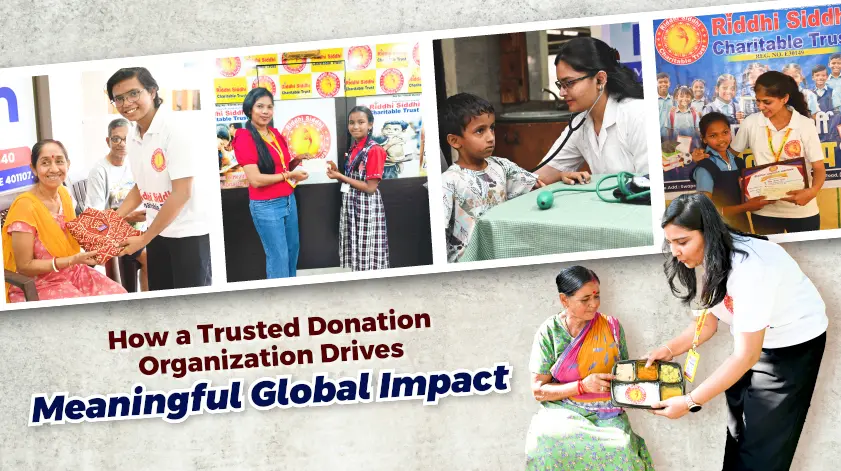
How a Trusted Donation Organization Drives Meaningful Global Impact
In today’s interconnected world, partnering with a reliable donation organization has become a powerful way to create measurable social change. Whether it is supporting elderly care, empowering women, or providing essential resources to underserved communities, structured and transparent charitable efforts are redefining how individuals and businesses contribute to society. With the rise of global collaboration, organizations are increasingly focusing on long-term impact rather than short-term aid.
A well-structured donation organization does more than just collect funds—it ensures that every contribution is utilized effectively, ethically, and sustainably. By aligning humanitarian goals with professional execution, such organizations build trust among donors and beneficiaries alike.
The Evolving Role of Modern Charitable Platforms
Traditionally, charity was often viewed as a one-time act of giving. However, the modern donation organization operates with a strategic approach. It identifies real-world problems, develops scalable solutions, and implements programs that address root causes rather than symptoms.
For example, initiatives focusing on elderly care not only provide shelter but also include medical support, emotional well-being programs, and community engagement. Similarly, women empowerment programs are designed to offer skill development, financial independence, and dignity.
Organizations like Riddhi Siddhi Charitable Trust reflect this evolution by integrating compassion with structured program management. Their initiatives emphasize consistency, accountability, and long-term transformation.
Why Transparency and Accountability Matter
One of the key factors that defines a successful donation organization is transparency. Donors today expect clarity on how their contributions are being used. This includes detailed reporting, impact assessments, and regular updates.
Transparency builds credibility, which is essential for fostering long-term relationships with supporters. It also encourages more individuals and institutions to participate, knowing their contributions are making a real difference.
Accountability, on the other hand, ensures that projects are executed as planned. From resource allocation to outcome measurement, every step must be monitored carefully. This level of diligence is what separates impactful organizations from those that struggle to maintain trust.
Bridging Local Needs with Global Support
A strong donation organization acts as a bridge between local challenges and global resources. Many communities face issues such as a lack of healthcare, education gaps, and inadequate living conditions. While these problems are local, the solutions often require broader collaboration.
International partnerships bring in not just funding but also expertise, technology, and innovative ideas. This creates a synergy where global perspectives meet grassroots realities, resulting in more effective interventions.
Riddhi Siddhi Charitable Trust, for instance, focuses on community-driven initiatives while maintaining a framework that aligns with global standards. This balance allows for meaningful engagement without losing the authenticity of local needs.
Key Areas of Impact
A well-rounded donation organization typically focuses on multiple areas to maximize its social impact:
1. Elderly Care
Providing safe and dignified living environments for senior citizens is a growing priority. This includes healthcare, nutrition, and emotional support.
2. Women's Empowerment
Programs designed to uplift women through education, vocational training, and self-reliance play a critical role in community development.
3. Education Support
Access to education remains a fundamental need. Initiatives such as school supply distribution, scholarships, and infrastructure development help bridge the gap.
4. Healthcare Assistance
From medical camps to long-term care facilities, healthcare initiatives ensure that vulnerable populations receive essential services.
5. Community Development
Holistic development programs aim to improve overall living standards through sanitation, awareness campaigns, and livelihood opportunities.
By diversifying its focus, a donation organization can address interconnected social issues more effectively.
The Importance of Strategic Collaboration
In recent years, collaboration has become a cornerstone of impactful philanthropy. Organizations are increasingly working with partners across borders to expand their reach and effectiveness.
A forward-thinking donation organization understands the value of aligning with like-minded entities. These collaborations often lead to:
- Resource optimization
- Knowledge sharing
- Enhanced program scalability
- Greater social impact
Without aggressive promotion, it is evident that institutions like Riddhi Siddhi Charitable Trust are positioned to engage in such meaningful collaborations, given their structured approach and commitment to social welfare.
Measuring Real Impact
Impact measurement is no longer optional—it is essential. A credible donation organization uses data-driven methods to evaluate the success of its initiatives. This includes tracking key performance indicators such as:
- Number of beneficiaries supported
- Improvement in quality of life
- Sustainability of programs
- Community feedback
These insights help refine strategies and ensure that future initiatives are even more effective.
Building a Culture of Giving
Beyond structured programs, a donation organization plays a vital role in promoting a culture of giving. It inspires individuals and institutions to contribute not just financially, but also through time, skills, and advocacy.
When people see tangible results, they are more likely to stay engaged and encourage others to participate. This creates a ripple effect, amplifying the overall impact
Looking Ahead
The future of philanthropy lies in collaboration, innovation, and accountability. As global challenges continue to evolve, the role of a donation organization will become even more significant. Organizations that can adapt, maintain transparency, and deliver measurable results will lead the way.
Riddhi Siddhi Charitable Trust exemplifies how a structured and compassionate approach can create meaningful change. By focusing on sustainable initiatives and fostering trust, it continues to make a positive difference in the lives of many.
As per the Indian Income Tax Department’s rules, a donor is required to add their Full Name, Address and PAN
number
in case they wish to claim tax exemption.
To get the 80-G certificate, please enter your PAN number.
We treat your personal information confidentially and will not transfer such details to any third parties.