



Disaster-Relief
Understanding Disaster Relief
When disaster strikes, it harms people, even takes lives, and destroys their livelihoods. It’s either a natural calamity, like a flood or earthquake, or man-made activities, like accidents. It demands immediate help for the affected, known as disaster relief. The disaster relief efforts include providing medical care, food, clothing, temporary shelter, and other essentials to make it through. In a nutshell, the disaster relief effort is about helping the affected individuals and communities to rebuild their lives after a disaster. Its goal is to bring hope and help to the people who have lost everything, and support them to recover.
Disaster-Relief
Global Warming and Climate Change
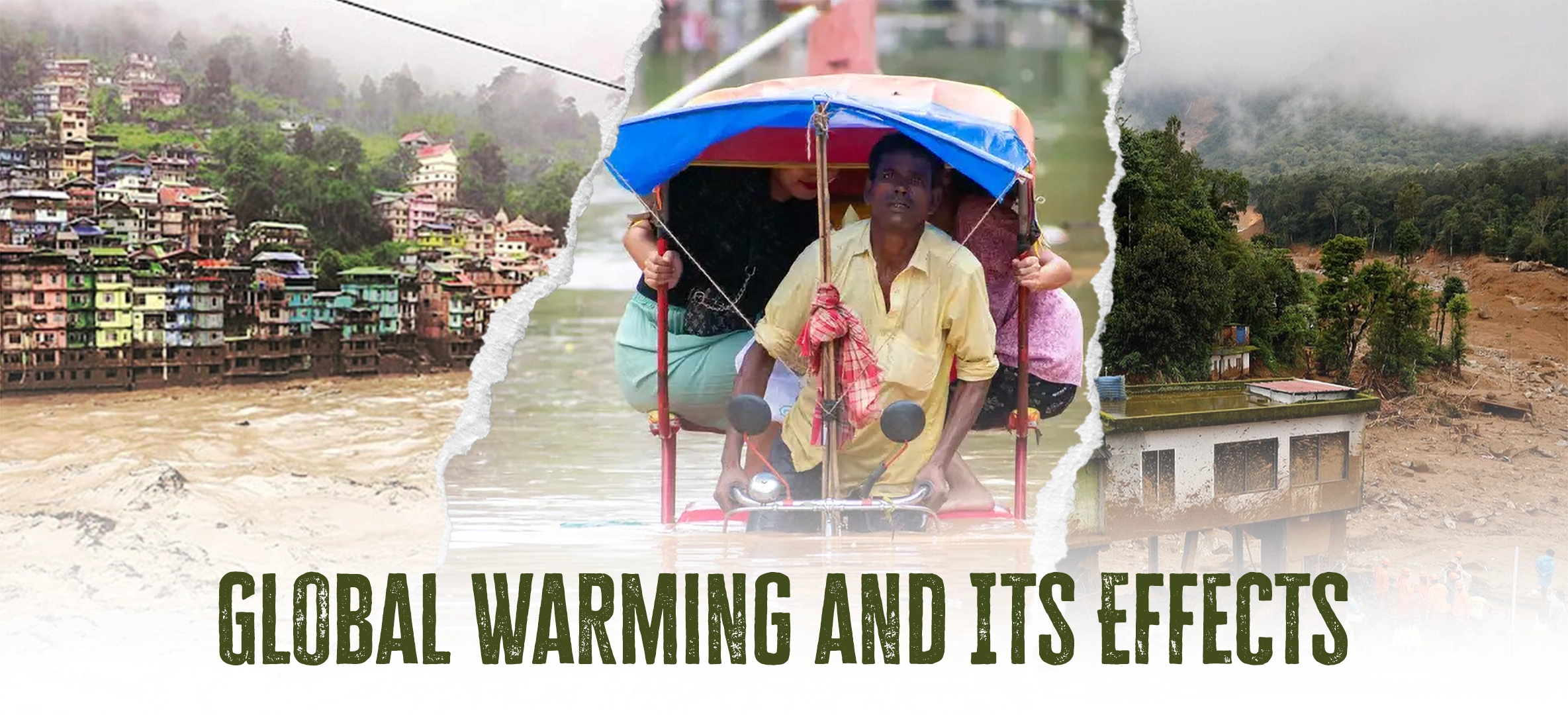
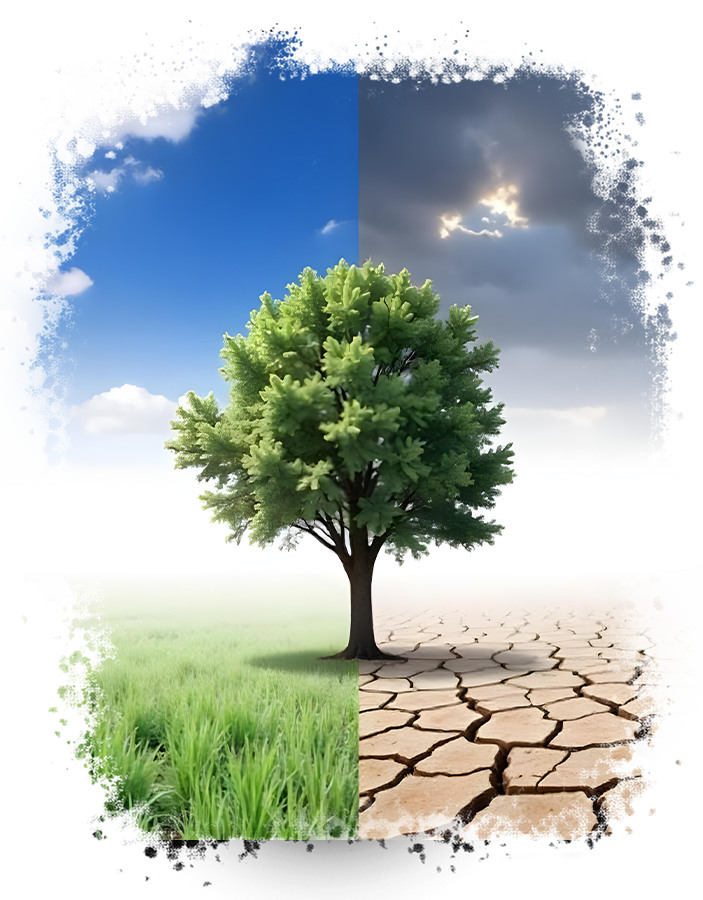
The natural disasters in India and all over the world are increasing day by day . The biggest contributor to this change is global warming and the subsequent climate change. The seasonal patterns are getting disturbed, extreme climatic occurrences like hotter days or sudden heavy rainfall are getting more common, and the natural ecosystem is getting severely affected by the same. This causes inconsistency in agricultural output, which increases food insecurity for the people. These changes also increase the chances of diseases in the population because of extreme weather conditions.
Disaster-Relief
The Disproportionate Impact on the Poor: A Humanitarian Crisis
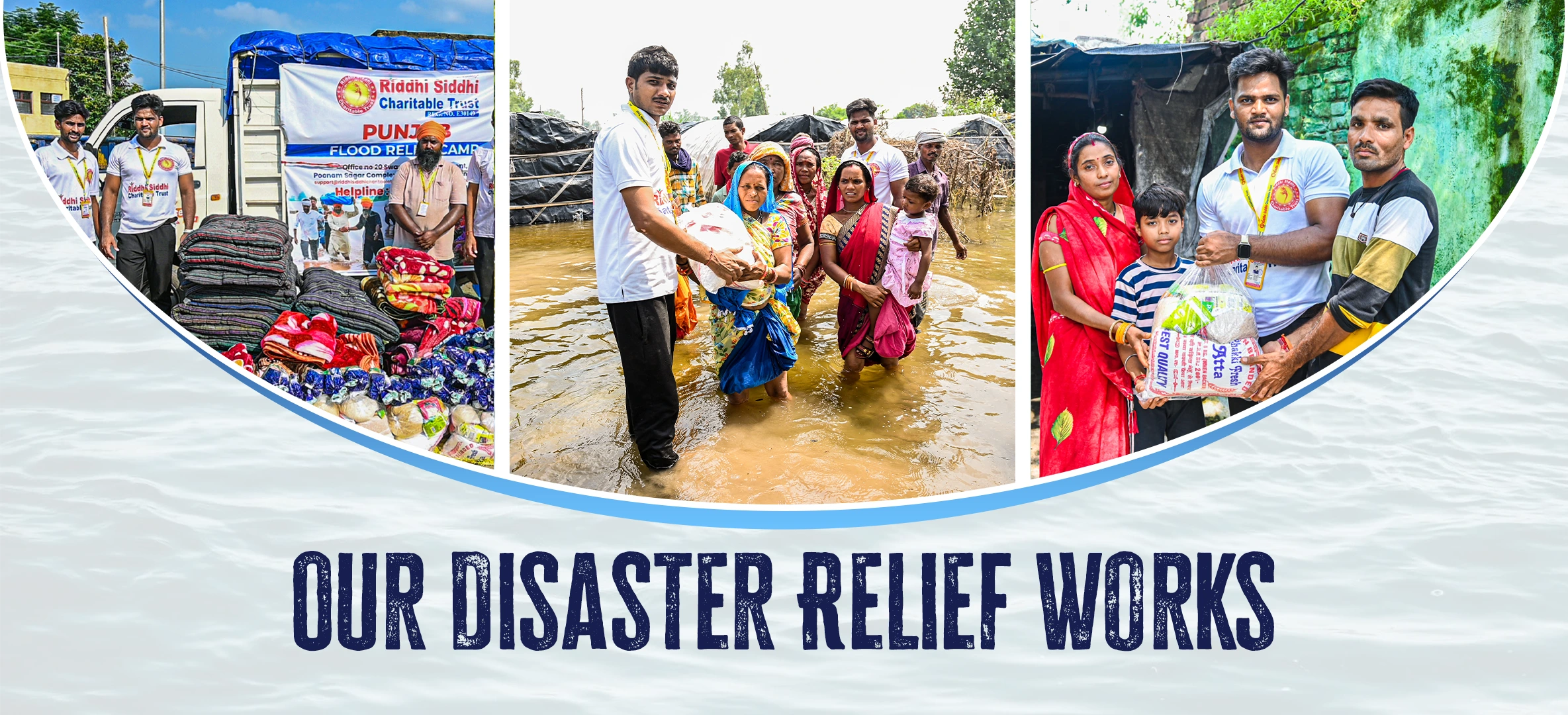
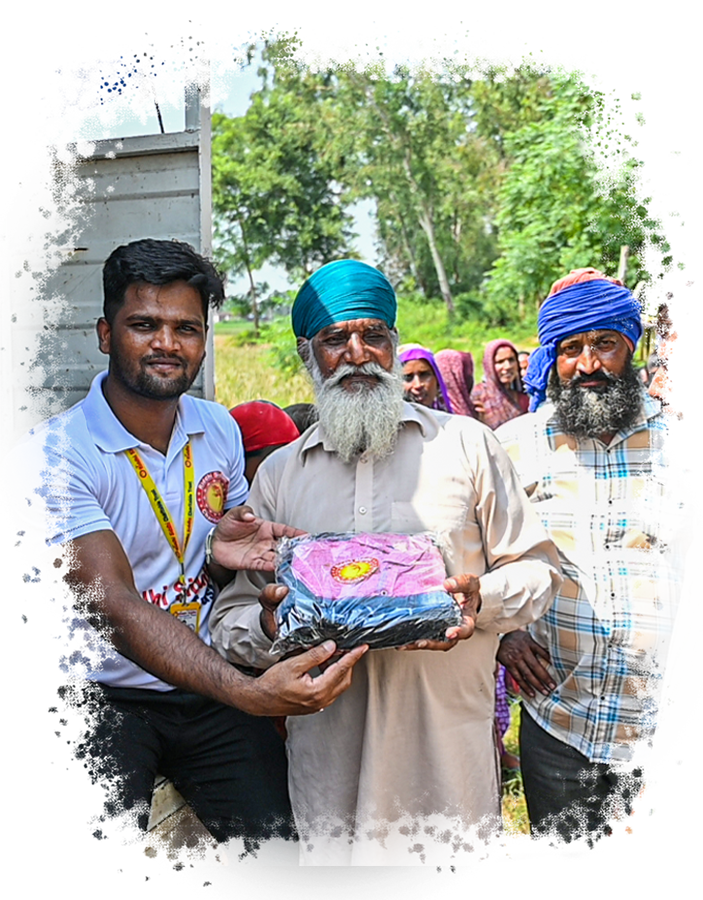
The increased occurrence of disasters seems to be affecting everyone equally. But unfortunately, it is affecting the poor disproportionately. There are varied reasons for the same. One of the major reasons is the place where the underprivileged people live. As these people live on the margins of society with improper drainage and poor infrastructure in the exteriors of the city, therefore, when extreme events take place, these people are the ones who take the brunt of the humanitarian crises. This causes human loss as well as financial troubles for the underprivileged. To make a difference for underprivileged people during disasters, Riddhi Siddhi Charitable Trust has started different disaster management initiatives.
Disaster-Relief
Providing Food Relief During Disasters
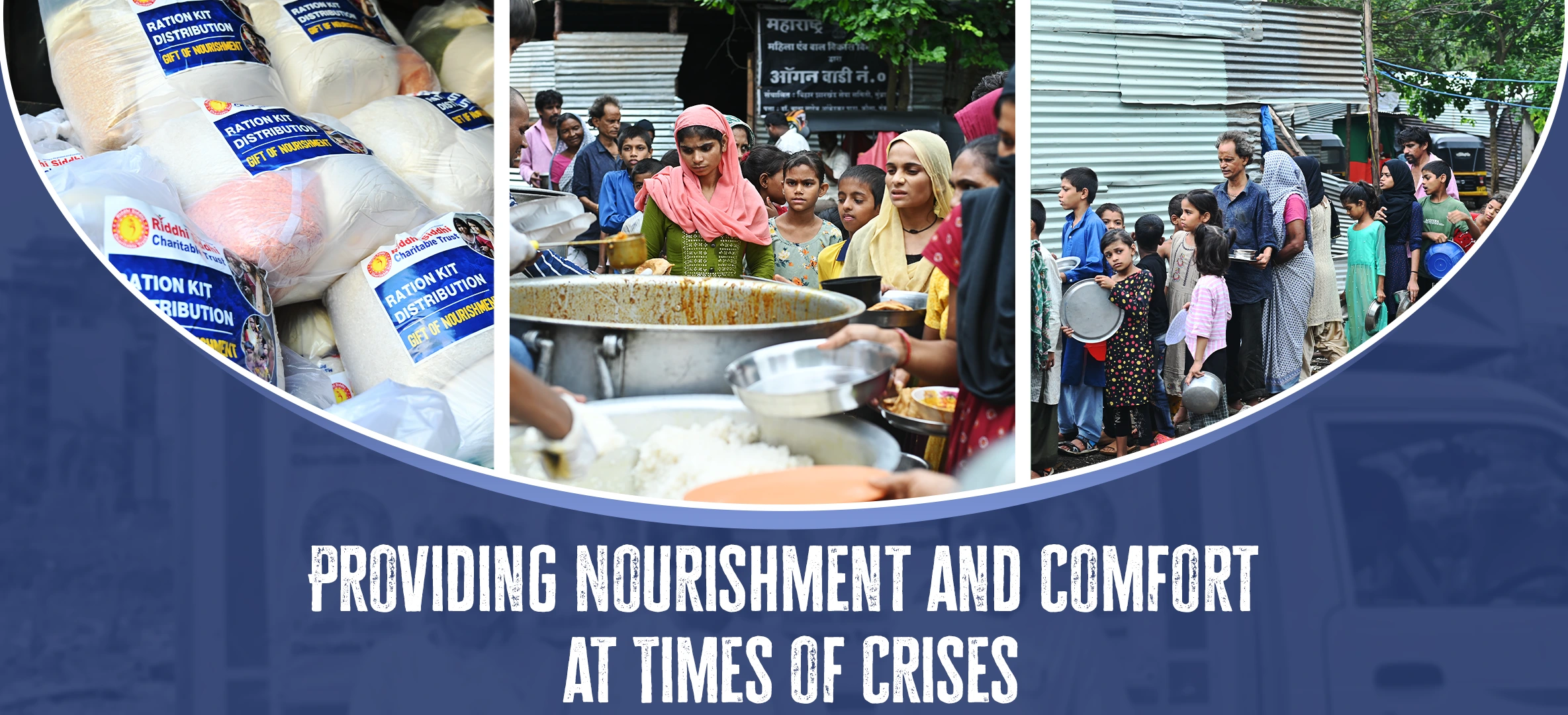
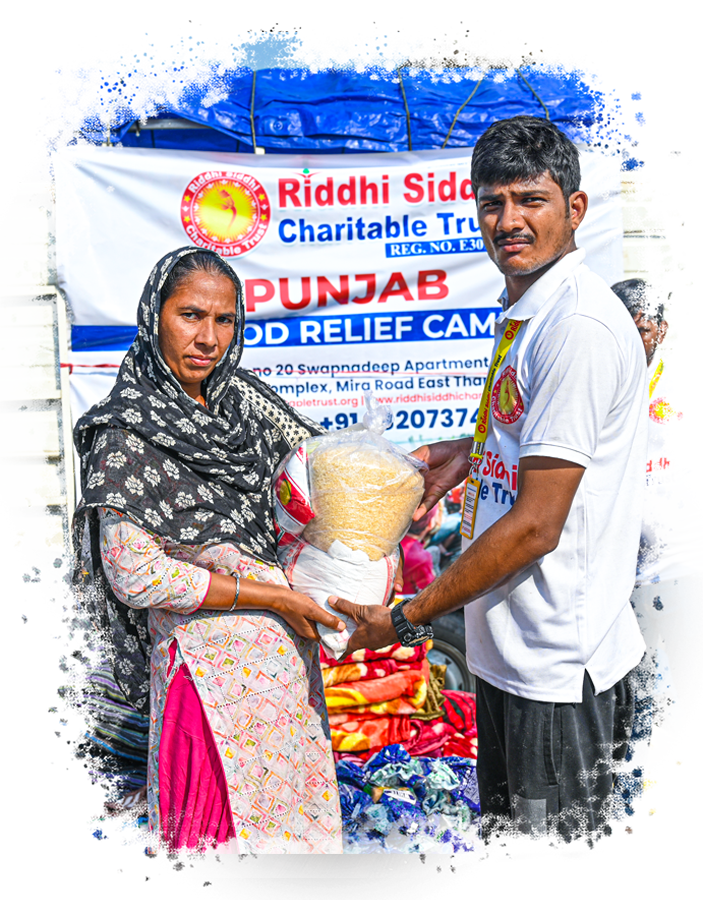
One of the most vital things a person loses during a disaster is the ability to get regular healthy food for themselves. This happens during disasters such as floods, earthquakes, and hurricanes, as all the resources needed for food are destroyed. In the case of the currently increasing number of landslides and floods, the cases of disease increase due to contamination of human food. Therefore, there is a need for healthy, nutritious, and instant food items at times of such events. This is where our charitable organisation’s crisis relief efforts come into play. Our volunteers carry out food campaigns in the affected areas.
Disaster-Relief
Clothing Distribution:
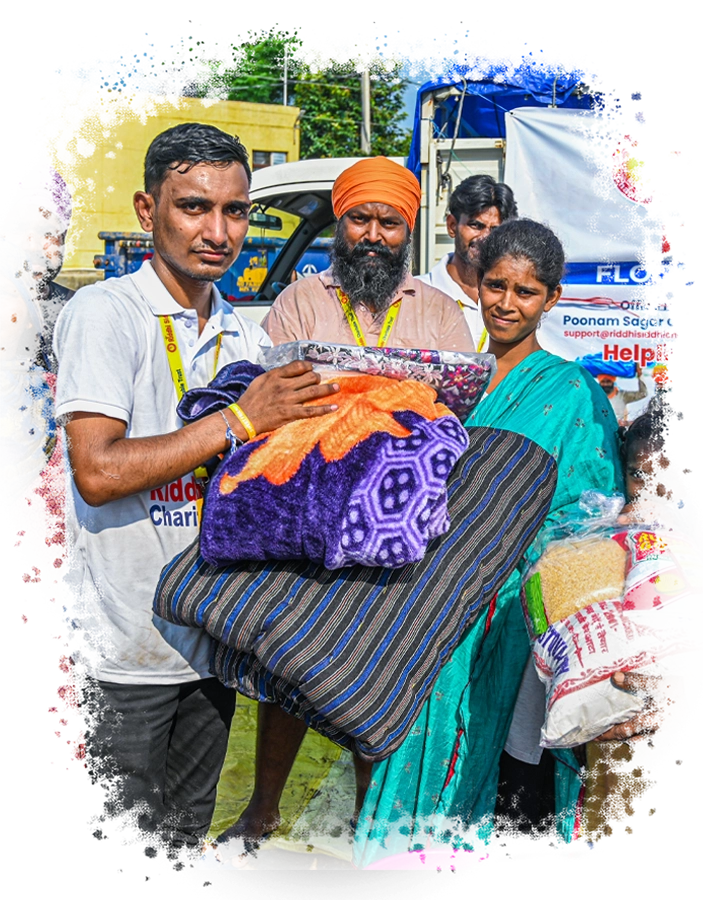
Aside from making individuals feel better, appropriate clothing protects them against adverse conditions such as cold, rain, or heat. People can become ill if they are not dressed properly. Warm clothing can help combat illnesses. Wearing light clothing in hot weather can help prevent rashes and heatstroke. That is why our charity organizes clothing drives during disasters to preserve the health and dignity of individuals in distress. This ensures everyone has all they require to remain sound, safe, and feelalive again.
Disaster-Relief
Recovery & Prevention:
After the initial disaster relief activities, the most important part is the long-term recovery of the people and the areas where the disaster caused the maximum amount of destruction. For the people who have lost their loved ones, special camps are carried out to make sure they get proper support to deal with their loss. A help to rebuild the infrastructure is also necessary, like the destroyed houses of the people. At the same time, to make sure these events are not repeated, preventive measures should be taken for the betterment of society.

Conclusion
Disaster management is making sure the people going through the worst days of their lives get proper support for themselves. To make sure that we reach more people in times of disaster, we need your help. With the increasing number of disasters in the world today, we need more fundraisers for crisis relief. With your help, we can make sure that immediate help is provided during crises, proper nourishment and decent clothing can be given to the people, and prevention measures can be taken so that people are better prepared for the next time.


As per the Indian Income Tax Department’s rules, a donor is required to add their Full Name, Address and PAN
number
in case they wish to claim tax exemption.
To get the 80-G certificate, please enter your PAN number.
We treat your personal information confidentially and will not transfer such details to any third parties.